A technical SEO audit tests crawlability, indexation, redirects, canonicalization, rendering, architecture, mobile behavior, Core Web Vitals mechanics, structured data and international signals. First Glance SEO Audit verifies important findings, explains the risk and turns them into an ordered 90-day plan. Public-site access is enough to start; Search Console and analytics are optional.
What does the technical audit check?
| Area | Examples | Decision produced |
|---|---|---|
| Crawl and index | robots, sitemaps, status codes, canonical tags, duplicate paths | Which URLs should be discoverable and indexed |
| Rendering and mobile | server HTML, JavaScript dependencies, responsive layout, touch targets | Whether important content and actions remain usable |
| Architecture | navigation, depth, orphan pages, internal anchors | How authority and discovery should flow |
| Performance | LCP, INP, CLS, asset delivery and layout stability | Which mechanics need measurement or repair |
| Meaning | structured data, language signals and entity relationships | How machines should interpret the page |
Google’s developer guidance recommends secure, fast, accessible pages that work across devices. Core Web Vitals currently use LCP, INP and CLS; field data is preferred when available, while lab tests help diagnose causes.
How are findings verified?
Important issues are reproduced with response headers, rendered HTML, browser behavior, crawl evidence or first-party platform data. A tool warning is not accepted automatically. Each finding states what was observed, the affected URLs or template, the likely consequence, the confidence level and the test that confirms the fix.
Homepage variants split internal signals
Evidence: navigation links point to a URL that permanently redirects. Action: update internal links to the canonical destination. Acceptance: a crawl finds no internal links to redirected homepage variants.
What do you receive?
- An executive summary for decisions.
- A prioritized tracker with evidence, affected URLs, owner, effort and acceptance criteria.
- Quick wins separated from larger engineering work.
- A 30/60/90-day implementation sequence.
- A walkthrough of the highest-priority items.
What access is needed?
The public website is enough to begin. Search Console and analytics access improve conclusions about indexation, queries and real-user journeys but are optional. Foundation implementation requires appropriate website or hosting access for the agreed tasks.
What is not included?
The fixed package does not promise rankings, replace a full security audit, include unlimited programming, or cover thousands of generated URLs without a custom scope. Large stores, marketplaces, multilingual systems and complex web applications are reviewed before a fixed commitment is accepted.
Use the technical checklist for a self-review or inspect the sample report before ordering.
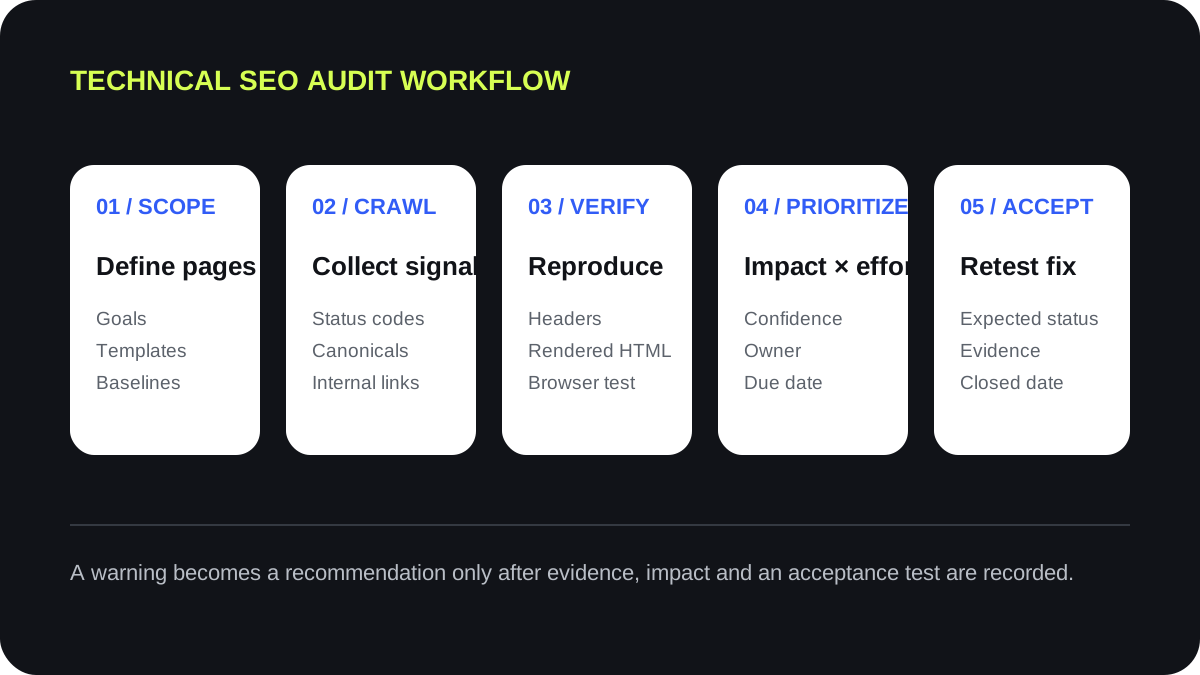
What does an actionable finding contain?
| Field | Example output |
|---|---|
| Evidence | Requested URL, response chain, source excerpt or browser reproduction |
| Impact | Which page, search process or conversion path is affected |
| Owner | Developer, content editor, hosting team or business owner |
| Action | The smallest change that addresses the observed cause |
| Acceptance | The exact crawl, browser or platform test that closes the issue |
Download works, but the server labels the workbook as plain text
Evidence: the XLSX opens correctly after download, while the live response declares text/plain and sends nosniff. Risk: some clients may refuse or mishandle the file. Owner: hosting/developer. Action: set the official Excel MIME type and an attachment filename. Acceptance: a HEAD request returns the correct MIME type and Chromium downloads a workbook that opens successfully.
How is the work handed over?
The handover focuses on the highest-impact findings, the evidence behind them and the order of implementation. The issue tracker names an owner and acceptance test for each action. The 90-day plan separates immediate consolidation work, template-level changes and measurement tasks that require more data.
When does the scope need to change?
A custom scope is agreed before work starts when a site contains thousands of generated URLs, multiple storefronts, many language or country versions, login-only journeys, complex JavaScript rendering, marketplace inventory or infrastructure that cannot be sampled responsibly within the fixed package. The goal is a reliable decision document, not superficial coverage of every URL.
Need a prioritized action plan?
Get a human-led audit and a practical 90-day plan in five business days.
Order the €299 SEO Audit